The subcompact SUV segment is crowded, but three names dominate most shopping lists: the 2026 Hyundai Kona, the 2026 Honda HR-V, and the 2026 Toyota Corolla Cross. Each promises an easy-to-park footprint, available all-wheel drive, and the everyday practicality of a true crossover. Look closer, though, and the gaps start to show, from how much power you can put under the hood to how big the screen is on the dash. So which one deserves a spot in your driveway? Here is how the matchup breaks down.
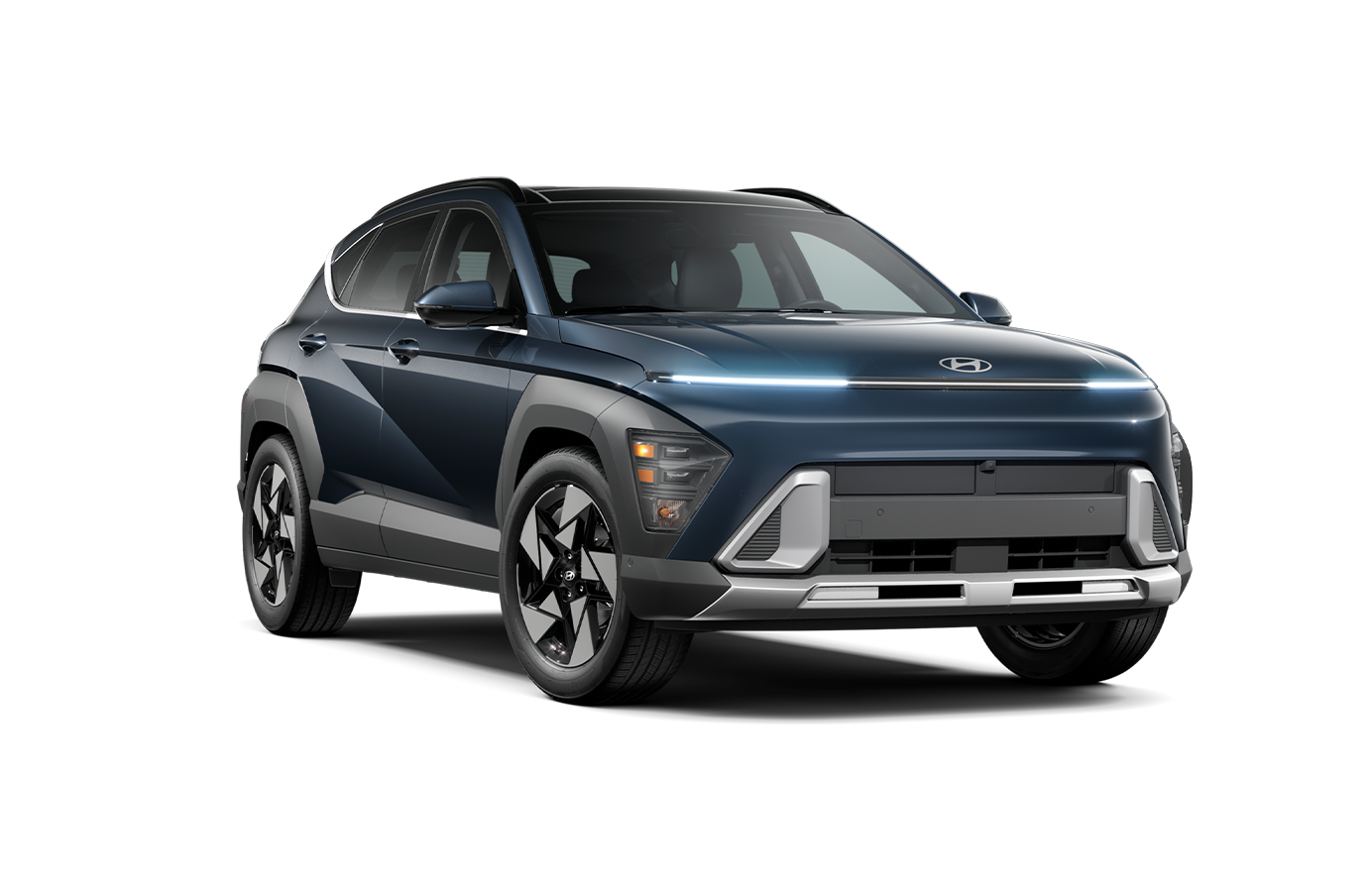
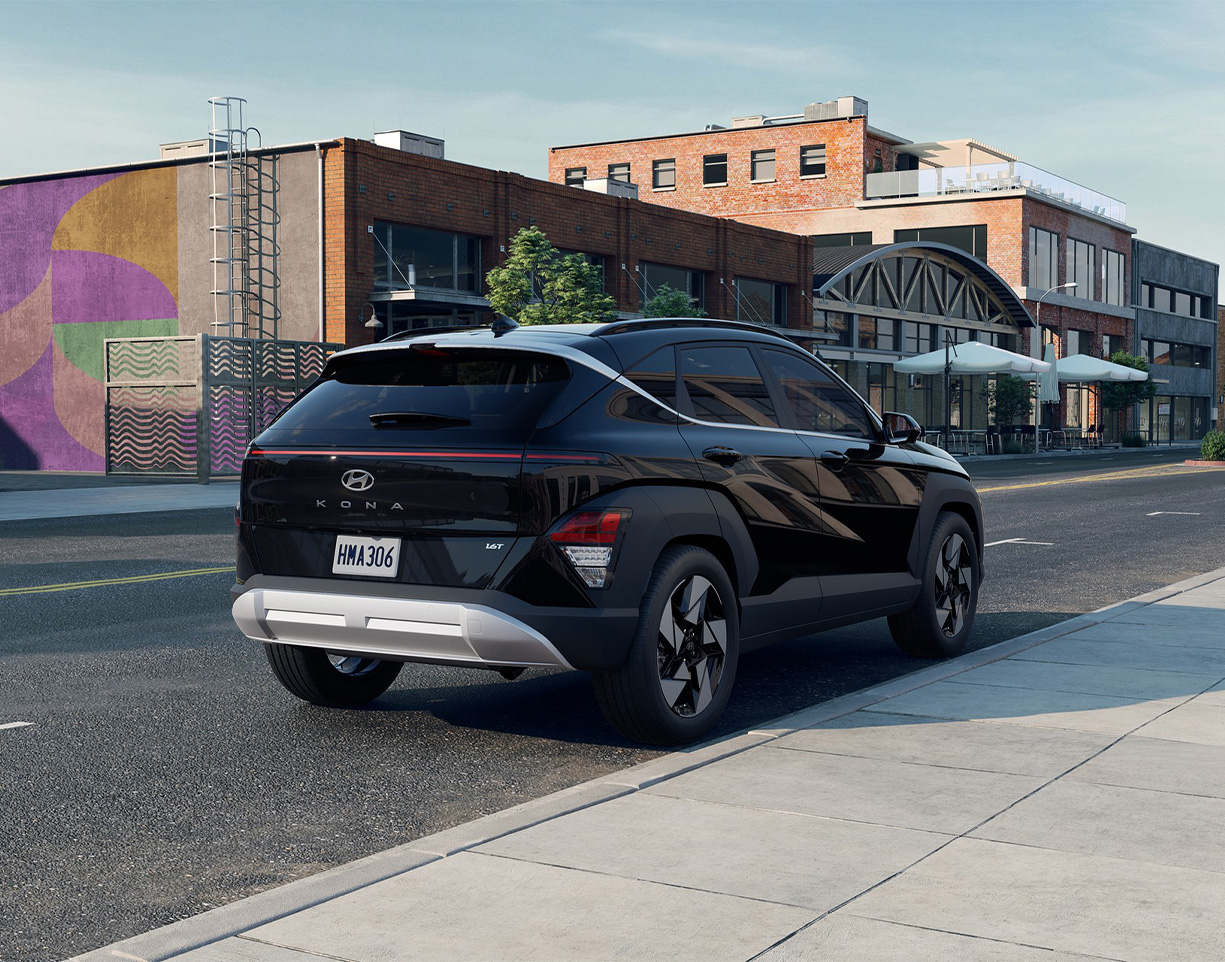
Power is the first place these three separate. The Honda HR-V comes just one way, with a 2.0-liter four-cylinder making 158 horsepower and 138 lb-ft of torque, paired with a CVT and front-wheel drive, with all-wheel drive optional. There is no upgrade path, and the HR-V’s acceleration is widely described as leisurely. The Toyota Corolla Cross steps things up in gas form with a 2.0-liter four good for 169 horsepower and 151 lb-ft, and it adds something neither rival offers: a Corolla Cross Hybrid that produces 196 net horsepower, earns an EPA-estimated 42 mpg combined, and includes all-wheel drive as standard. It can also tow up to 1,500 pounds, while neither the Kona nor the HR-V carries an official tow rating.
The Kona answers with the widest range of choices and the strongest gas engine of the group. Its base 2.0-liter makes 147 horsepower, but the available 1.6-liter turbo delivers 190 horsepower and 195 lb-ft of torque, the highest gas-engine torque figure in this matchup. That turbo helps the Kona accelerate from zero to 60 mph in about 7.8 seconds, quicker than any non-hybrid here, and all-wheel drive is available on every trim rather than only the top ones. The Corolla Cross Hybrid is the efficiency leader and the HR-V is smooth around town, but for drivers who want real punch without stepping up to a pricier hybrid, the turbocharged Kona is the clear standout.
All three seat five and ride on tidy, city-friendly footprints, but the Kona makes the most of its space. Behind the rear seats it offers 25.5 cubic feet of cargo room, more than the HR-V’s 24.4 cubic feet and ahead of the Corolla Cross, which ranges from 21.5 to 24.0 cubic feet depending on drivetrain. Fold the second row and the gap widens, with the Kona opening up to 63.7 cubic feet compared with 55.1 in the HR-V.
The Kona’s back seat is a genuine strength as well, with enough legroom and headroom to keep adults comfortable on longer drives, an area where many crossovers this size force passengers to compromise. The HR-V counters with a roomy, nicely finished cabin, and the Corolla Cross keeps things simple and durable, but the Kona blends passenger space, cargo flexibility, and a bolder, more modern design into the most usable overall package.
Inside, the Kona puts the largest standard touchscreen in this comparison front and center: a 12.3-inch display on every trim, with available twin 12.3-inch screens that create a sweeping panoramic layout. The Corolla Cross counters with a 10.5-inch touchscreen, plus an available 12.3-inch digital gauge cluster on its top trim, while the HR-V’s standard 9-inch touchscreen is the smallest of the three. All three include wireless Apple CarPlay and Android Auto, so smartphone integration is covered across the board.
On safety, each crossover arrives well equipped. Hyundai SmartSense, Honda Sensing, and Toyota Safety Sense 3.0 are standard on every trim and bundle automatic emergency braking, lane-keeping assistance, and adaptive cruise control. Where the Kona pulls ahead is in what it includes beyond the basics. Blind-spot monitoring and lane-keeping assist are standard on every Kona, while the HR-V reserves blind-spot monitoring for its mid-level Sport trim and above, and the Corolla Cross offers it on select trims.
Highlights of the Kona’s standard and available technology include:
When the categories are added up, the 2026 Hyundai Kona comes out on top. It offers the most powerful available engine and the most gas-engine torque of the group, the largest standard touchscreen, more cargo room behind the rear seats than either rival, and a back seat that treats adults like adults. It backs all of that with Hyundai’s 10-year/100,000-mile powertrain warranty, coverage that lasts twice as long as what Honda and Toyota offer. Little wonder the Kona is regularly ranked the top-rated SUV in its class.
The Corolla Cross is a smart choice if maximum fuel economy or light towing tops your list, and the HR-V delivers a refined, roomy cabin. But for the best all-around blend of power, technology, space, and long-term value, the Kona is the one to beat.
Experience the 2026 Hyundai Kona for yourself with a test drive at Delaney Hyundai of Indiana in Indiana, PA. Capable, connected, and ready for anything, your next adventure starts here.